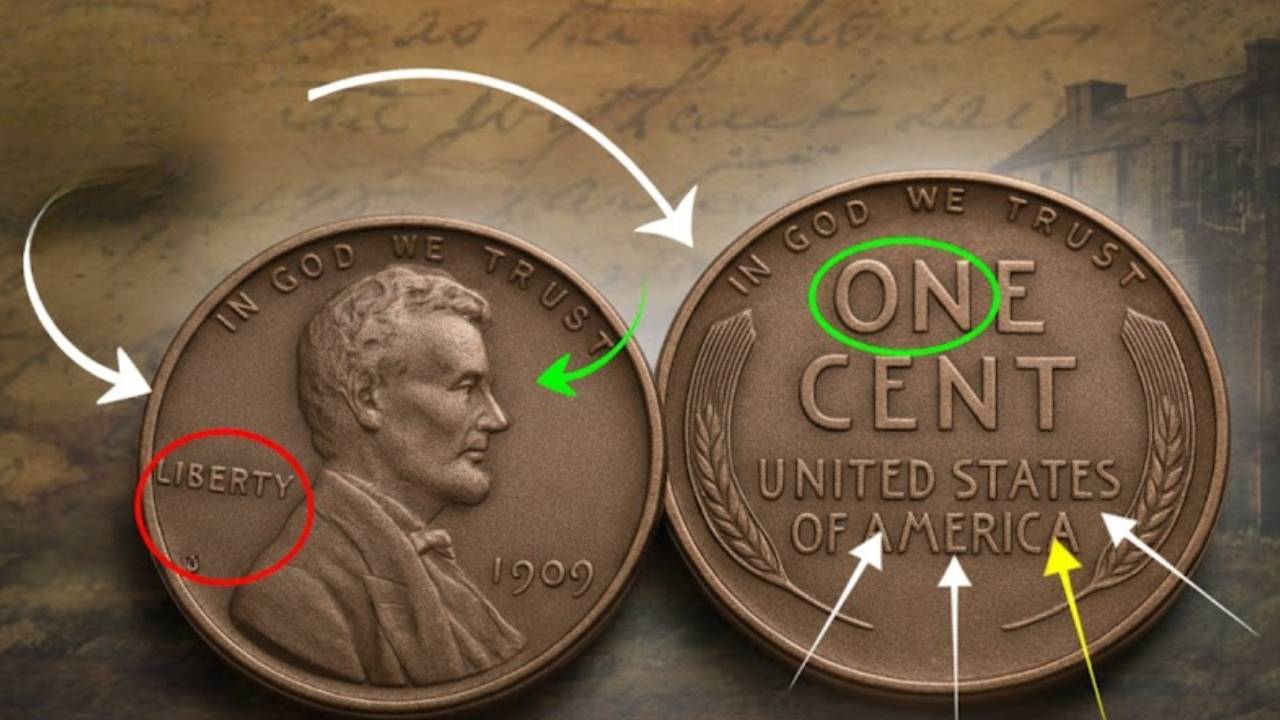
Lincoln Wheat Penny: Sometimes valuable history slips quietly into everyday life, hiding in places no one thinks to look. The Lincoln Wheat Penny is a perfect example. What appears to be an ordinary old cent could, in rare cases, be worth thousands of dollars and even up to $144,000. Many of these pennies are still mixed into old collections, forgotten jars, and occasionally everyday pocket change, waiting for someone to recognize their true value.
Rare Lincoln Wheat Penny Value Guide
| Year | Mint Mark | Distinguishing Feature | Estimated Value |
|---|---|---|---|
| 1943 | None, D, S | Bronze strike instead of steel | Up to $144,000 |
| 1909 | S VDB | Designer initials on reverse | Up to $530,000 |
| 1914 | D | Low mintage issue | Up to $150,000 |
| 1922 | No D | Missing mint mark error | Up to $50,000 |
The surprise for many people is that these valuable pennies are not museum pieces alone. They have been discovered in everyday places, proving that rare coins can still surface when least expected.
A Penny with a Historic Beginning
The Lincoln Wheat Penny was introduced in 1909 to commemorate the 100th anniversary of Abraham Lincoln’s birth. Designed by Victor David Brenner, it made history as the first U.S. coin to feature a real person rather than a symbolic figure.
The front displays Lincoln’s profile, while the back shows two wheat ears framing the words ONE CENT. This simple yet elegant design remained in production until 1958. Although billions were minted, only specific years and variations carry exceptional value today.
Why Some Lincoln Wheat Pennies Are Worth a Fortune
Value comes from rarity, mistakes, and timing. During World War II, copper was reserved for military use, so most 1943 pennies were struck in steel. A small number were accidentally made using leftover bronze blanks, creating one of the most famous error coins in U.S. history.
Collectors are also willing to pay high prices for low-mintage coins and early issues with unique markings. Pennies like the 1909-S VDB and the 1914-D are prized because very few were produced, and even fewer survived in good condition.
How to Identify a Valuable Wheat Penny
The first step is checking the date and mint mark, found just below the year on the front of the coin. Letters such as S or D indicate San Francisco or Denver, while no letter means Philadelphia.
If you find a 1943 penny, test it with a magnet. Steel versions will stick, while a bronze one will not. On 1909 coins, inspect the reverse for the initials VDB near the bottom. Condition also matters greatly, as coins with sharp details and minimal wear command much higher prices.
Rare Pennies Still Appear Today
It may seem unlikely, but rare Wheat Pennies continue to turn up. People have discovered them in coin rolls from banks, inherited collections, garage sales, and even loose change. Because pennies circulate for decades, some rare examples remain unnoticed for years.
These discoveries keep collectors hopeful and encourage everyday people to look more closely at coins they might otherwise ignore.
How to Start Looking for Hidden Coins
You do not need to be an expert to begin. Searching through old jars, purchasing rolls of pennies from the bank, and using a magnifying glass to inspect details can reveal surprising finds. Learning from coin guides and online collector communities also helps identify what makes a coin special.
If you believe you have found something rare, having it examined by a professional grading service can confirm its authenticity and value.
Final Verdict
The Lincoln Wheat Penny proves that extraordinary value can hide behind ordinary appearances. While most are worth only a few cents, a rare few are genuine treasures worth thousands or even $144,000. Taking time to inspect old pennies could lead to an unexpected and historic discovery.
Disclaimer
Coin values depend on condition, rarity, market demand, and professional grading. This content is for informational purposes only and does not guarantee the value of any coin. Always consult certified coin experts or grading services before buying or selling collectible coins.
