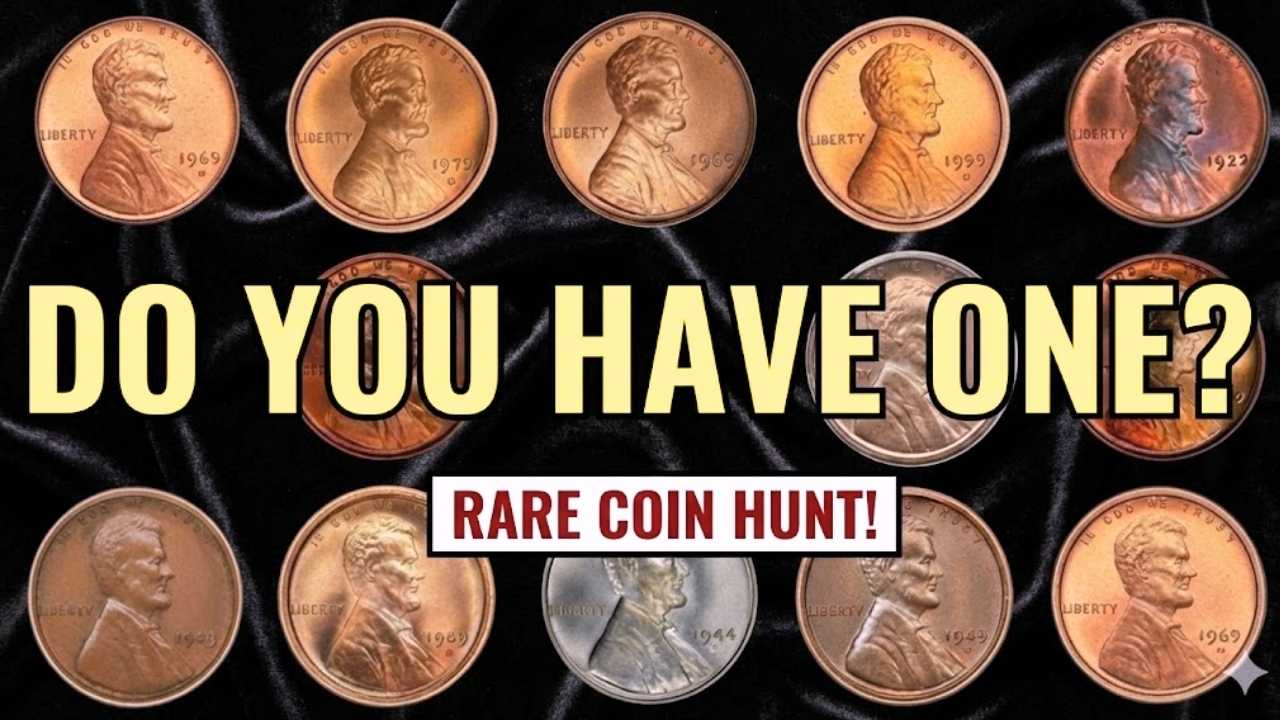
13 Rare 20th-Century Pennies: Pennies are often ignored, dropped into jars, or forgotten in drawers. Yet some 20th-century pennies are worth far more than their face value. Because of minting mistakes, low production years, and unusual metal use, certain Lincoln and Wheat pennies have become highly valuable. Collectors actively hunt for these coins, and finding just one in an old collection could be financially life-changing.
Many of these coins still exist outside of museums and auctions. They remain hidden in everyday places, often unnoticed for decades.
Why Certain Pennies Become Extremely Valuable
Most pennies are common due to massive production numbers, but rare ones gain value for specific reasons. Minting errors can create unique coins that were never meant to exist. Low mintage years limit supply, and unusual metal compositions make certain pennies stand out. Condition also plays a major role, as coins with minimal wear are far more desirable to collectors.
Thirteen Rare 20th-Century Pennies Worth Knowing
The 1909-S VDB Lincoln penny is one of the most iconic coins in U.S. history. As the first Lincoln cent, it featured the designer’s initials on the reverse, which were quickly removed. Limited San Francisco production makes it especially valuable.
The 1914-D Lincoln penny is scarce because far fewer were minted in Denver. Most entered circulation, leaving very few well-preserved examples today.
The 1922 No D penny is a famous error. Although minted in Denver, worn dies caused the mint mark to disappear, creating a rare and highly collectible variety.
The 1931-S Wheat penny was produced during the Great Depression when coin demand was low. Its limited mintage makes it a key date for collectors.
The 1943 copper penny is one of the most legendary error coins ever made. While most pennies that year were steel, a few copper blanks were mistakenly used.
The 1944 steel penny is the reverse error, created when leftover steel planchets were struck instead of copper.
The 1955 doubled die penny features dramatic doubling on the date and lettering, making it easily recognizable and very popular.
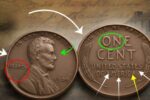
The 1969-S doubled die penny is even rarer. Many were destroyed before release, leaving very few authentic examples.
The 1970-S small date penny looks ordinary at first glance but becomes valuable when identified correctly, especially on unusual planchets.
The 1972 doubled die penny shows visible doubling and is still occasionally found in circulation.
The 1983 doubled die reverse penny is a modern error featuring doubling on the reverse text.
The 1992 Close AM penny is identified by nearly touching letters in AMERICA, a small detail that carries big value.

The 1999 Wide AM penny resulted from proof dies being used for circulation coins, making it a desirable late-century error.
How to Examine Your Pennies
Start by checking dates and mint marks using a magnifying glass. Look closely for doubling, missing letters, or unusual spacing. Weighing pennies can help identify metal errors. If a coin looks promising, professional grading and authentication are strongly recommended.
Final Verdict
Rare 20th-century pennies prove that even the smallest denomination can hold extraordinary value. With careful inspection and a bit of knowledge, everyday people can uncover coins worth thousands or even hundreds of thousands of dollars. A single penny could be the key to an unexpected financial windfall.
Disclaimer
Coin values depend on condition, rarity, authenticity, and market demand. This article is for informational purposes only and does not guarantee the value of any coin. Always consult certified coin dealers or professional grading services before buying or selling collectible coins.
